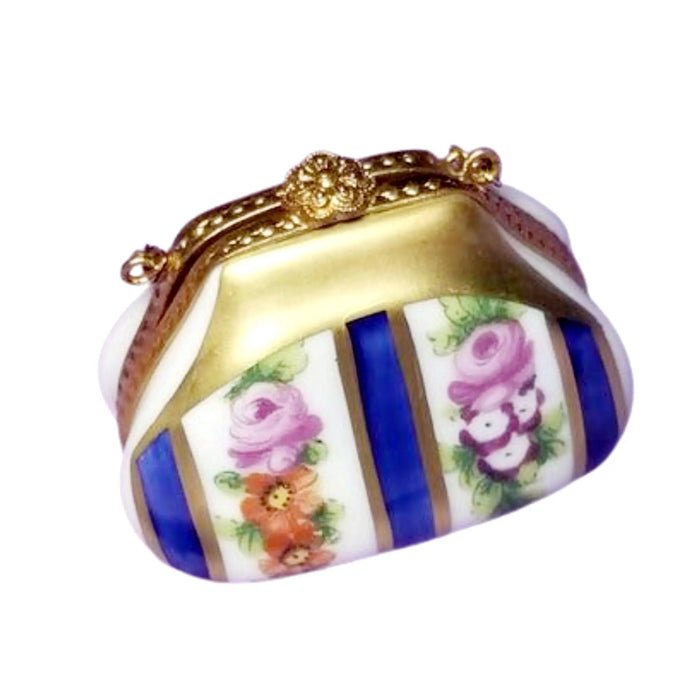
Exact dates are rare on Limoges boxes, but you can usually narrow down when a box was made. Put several clues together and you’ll have a sensible estimate. Here is what to look for.
Start with realistic expectations
Most hinged porcelain trinket boxes you’ll find today were made from about the 1970s onward, when the modern Limoges box became popular with collectors, especially in the United States. Older porcelain boxes do exist, but they’re much less common and usually look quite different. If you think yours is genuinely antique, ask an auction house or appraiser to examine it.
Clue 1: A date on the box
Holiday and commemorative boxes often have the year painted on the lid, the base or the inside. Limoges Christmas boxes are a good example; see Christmas and Holiday Limoges Boxes. A painted date is the most direct clue you’ll get.
Clue 2: Certificates and edition numbers
A limited edition certificate may give the year of issue or name the series. An edition number on the base (for example, 45/500) can be matched to catalogs and sold listings for the same edition.
Clue 3: The wording of the marks
Makers changed their marks over the years. A brand’s logo, wording or color may have changed several times, so comparing your mark with dated examples from the same maker in sold listings can narrow the period. A box carrying the IGP Porcelaine de Limoges mark must have been made after that protection was granted in 2017.
Clue 4: Retailer and importer names
Many boxes were sold under the names of stores, catalog companies and importers that were active in particular years. If you can find when that retailer sold Limoges boxes, you have a rough date range.
Clue 5: The subject and style
Subjects follow fashion. Some themes, characters and commemorative events belong clearly to a particular decade. A box celebrating a specific anniversary, event or year obviously dates from around that time.
Clue 6: The metal mount and clasp
Hinges and clasps changed in shape and finish over time and from maker to maker. On their own they’re hard to read, but a dealer who handles many boxes can sometimes recognize a period or workshop from the clasp alone.
Clue 7: Wear that matches the age
Genuine age usually shows as soft, even wear on raised gilding and high points, consistent with handling over years. Wear that looks scratched, patchy or deliberately “aged” deserves a closer look.
Putting it together
No single clue settles the question. Write down everything you find, compare your box with dated examples in sold listings, and give an estimate such as “probably 1990s” rather than an exact year. For help reading the marks, see Reading the Marks on a Limoges Box.
Quick answers
Not automatically. Condition, maker, subject and quality usually matter more than age. A recent, sought-after box in perfect condition can outsell an older, ordinary one.
An antique is usually defined as 100 years old or more. Most hinged Limoges trinket boxes are much younger, dating from the later twentieth century onward.
Yes, roughly. A box with the IGP Porcelaine de Limoges mark was made after the IGP was granted in 2017. A box without it can still be any age.
This article is general guidance from the team behind LimogesBoutique.com, who have worked with Limoges boxes for more than thirty years. It is not a formal appraisal. For more help, see our Limoges box Q&A.
Leave a Reply